OEM
Clothing Manufacturer
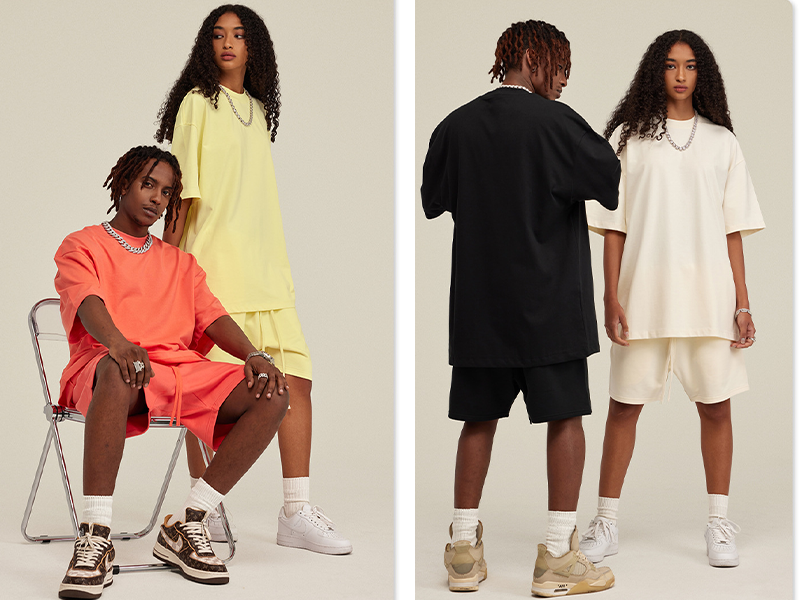
With Feibai Clothing, you can create unique custom OEM clothing that will make your fashion label stand out among the rest. Your customers are sick of seeing the same thing everywhere they go; give them something new and different that they won't be able to find anywhere else!
Custom Now

OEM Clothing Manufacturer
- We Are a ONE-STOP Shop: This means that all processes are finished under one roof. You only have to concentrate on design and marketing, while we take care of the rest.
- Wide variety of styles available: We have hundreds of fabrics and patterns to choose from, ranging from both classic and modern styles.
- Customize your size: Choose the size specifically for each body type instead of a usual sizes offered by retailers.
- Low MOQ: Start with 100 pieces per item per color.
Fabric Option
Didn't find the fabric options you want? Don't hesitate to contact us.


Technology
Would like to know all techniques we are capable of? Contact us for more details.


Feibai Clothing is the perfect solution for all your garment and clothing manufacturing needs. From sample development and bulk production to label printing, delivery of goods — the experts at this factory will take care every step along with you!
We offer wide range of products such as women's dresses or men's shirts, sportswear and swimwear — there are many styles available which means that whatever kind of clothing design you required, we can easily made it.
Bring your designs to life. We support cut & sew customization from scratch — sketches, tech packs, fabrics, trims, all customizable to make your brand unique.
Fast sample delivery in 5-15 days, bulk production in 15-30 days. We keep your timeline tight so you can launch your collection on schedule.
Every piece passes through multiple quality check stages. We use certified fabrics and follow international production standards.
Low MOQ starting from 50 pieces. Test your market without overstocking. Reorder anytime when sales go well.

OEM Clothing Manufacturer: The Ultimate Guide For Fashion Brands
Looking to launch a new clothing line or add some new pieces to your existing collection? If so, you'll want to consider working with an OEM clothing manufacturer. But with so many options out there, how do you know which one is right for you? OEM clothing manufacturers are those that produce products for other brands to sell under their own labels. In this guide, we'll provide you with everything you need to know about working with an OEM clothing manufacturer, including how to find the right one, what to expect during the manufacturing process, and how to negotiate terms.
1. What Is OEM Clothing Manufacturer?
An OEM clothing manufacturer is a company that manufactures clothing for other companies to sell under their own name.
OEM stands for the original equipment manufacturer, so these companies are the original creators of the clothes that they produce. This can be contrasted with a retail clothing company, which sells clothes that have been created by someone else.
OEM clothing manufacturers often:
- Have more specialized knowledge and experience when it comes to producing clothing, which can result in a higher quality product.
- Have more control over the production process, which can lead to a more efficient and streamlined manufacturing process.
- Are flexible when it comes to customizing clothing for their clients.

2. The History of the OEM Clothing Industry
The history of the OEM clothing industry can be traced back to the early 1800s. At that time, most clothing was made by hand, which resulted in a high level of inconsistency and poor quality. In the early 1900s, the sewing machine was invented, which made it possible to produce clothing at a much faster rate.

This led to the development of the clothing industry as we know it today. During the mid-1900s, the garment OEM industry began to boom. This was due to a number of factors, including the growth of the global economy and the rise of mass production techniques.
Today, the OEM clothing industry is still going strong. There are now more OEM clothing manufacturers than ever before, and they are constantly innovating and evolving to meet the ever-changing needs of their clients.
3. OEM vs. ODM: What's the Difference?
When it comes to manufacturing clothing, there are two different approaches that businesses can take: OEM and ODM. So, what's the difference between OEM and ODM? Here's a quick rundown:
| OEM vs. ODM | |
| Original Equipment Manufacturer | Original Design Manufacturer |
| OEM, or original equipment manufacturer, is a type of manufacturing where a company produces products that are then sold under another company's brand name. In other words, the OEM company is just the manufacturer of the product, not the designer. | ODM, or original design manufacturer, is a type of manufacturing where a company designs and produces products that are then sold under its own brand name. In other words, the ODM company is both the designer and manufacturer of the product. |
| Pros | Pros |
| You have complete control over the final product since you're the one designing it. | Many ODM clothing manufacturers are willing to work with small businesses and startups, as they typically don't have the same minimum order requirements as OEMs. |
| OEM apparel manufacturers can be more flexible with MOQs since they don't have to worry about investing in their own brands. | ODM companies usually have a shorter lead time than OEMs, as they don't need to wait for approval from the brand before starting production. |
| It can be less expensive to go the OEM route since you're not paying for things like marketing and packaging. | ODMs typically have more flexible MOQs, which can be helpful for small businesses and startups that are working with limited budgets. |
| Cons | Cons |
| You'll also have less control over the manufacturing process since you're not working directly with the garment OEM factory. | The downside of working with an ODM is that you won't have as much control over the design process. |
| Working with an OEM can be more expensive than working with an ODM, as you'll typically need to pay for the design of your product as well as the manufacturing costs. | ODM companies usually have less brand recognition than OEMs, which can be a drawback if you're looking to build a strong brand identity for your business. |
4. What To Look For in an OEM Contract: A 6-Point Checklist
When you're looking for an OEM clothing manufacturer, it's important to find one that offers a great contract. Here's a checklist of what to look for:
#1 Minimum Order Quantities (MOQs)
Some manufacturers will have very high MOQs, which can be difficult for small businesses to meet. However, there are also manufacturers that have low MOQs, which can be more manageable.
#2 Pricing
Make sure to review the prices of the products you're interested in and compare them to other manufacturers. You should also ask about any discounts that may be available, such as volume discounts or early payment discounts.
#3 Payment Terms
OEM contracts typically require a deposit, which is usually 50% of the total order value. The balance is then due upon delivery of the goods.
#4 Delivery Timeframes
When you're working with an OEM garment manufacturer, it's important to know about their delivery timeframes. This way, you can ensure that your products will be delivered on time and in the quantities you need.
#5 Warranties and Guarantees
Look for a manufacturer that offers warranties and guarantees. This way, you can be sure that your products will meet your expectations in terms of quality and performance.
#6 Termination Clauses
Make sure the manufacturer has fair termination clauses. This way, you can be sure that you're not stuck in a contract if the manufacturer doesn't meet your expectations.
5. The Process of Launching a Clothing Line With an OEM Partner
When you've finally found the perfect OEM clothing manufacturer for your brand, it's time to launch your clothing line! Here is a step-by-step guide:
- Step 1: Determine Your Target Market — Decide who your customers are before designing anything.
- Step 2: Create a Business Plan — Map out your start-up costs and budget.
- Step 3: Design Your Clothing Line — Express your style and create something that represents your brand.
- Step 4: Find the Right Clothing Manufacturer — The partner that will help you bring your designs to life.
- Step 5: Create a Marketing and Advertising Plan — Generate interest in your brand.
- Step 6: Launch Your Clothing Line — See your clothing line come to life!
6. Costs and Fees Associated With an OEM Clothing Business
There are a variety of costs and fees associated with an OEM clothing business. Here is a breakdown:
- Manufacturing Costs: Materials, labor, and overhead. Varies depending on clothing type and order quantity.
- Design Costs: If you need to hire a designer, costs range from a few hundred to several thousand dollars.
- Shipping Costs: Varies by order size, weight, and destination.
- Advertising and Marketing Costs: From promotional materials to PR campaigns.
7. How To Work With an OEM Clothing Manufacturer
Here are a few things to keep in mind when working with an OEM clothing manufacturer:
- Make Sure You Know What You Want: Have a clear idea of what type of clothing you want to produce before contacting them.
- Do Your Research: Work with a reputable company that has a good track record.
- Communicate Clearly: Make sure you're both on the same page about your specifications.
- Be Patient: The process takes time — allow the manufacturer to do their job.
8. 5 Tips for Sourcing the Right Clothing Manufacturing Partner
- Define Your Needs: Narrow down your options before you start looking.
- Do Your Research: Read reviews, talk to other businesses, and visit facilities if possible.
- Consider Your Budget: Get multiple quotes and compare total cost, not just price.
- Ask for Samples: Always see the quality before committing.
- Negotiate the Terms: Finalize pricing, lead time, and MOQ before signing.
9. 5 Mistakes To Avoid When Starting Your OEM Clothing Line
- Not doing your research: Skipping research can lead to costly mistakes.
- Choosing the wrong manufacturer: A bad factory will ruin your product quality.
- No marketing plan: Without marketing, your clothing line won't get off the ground.
- Mispricing products: Price too high and you won't sell; too low and you won't profit.
- Compromising on quality: Quality is essential — don't cut corners.
Ready to launch your clothing line?
Contact Feibai Clothing today to discuss your project.